


Date: 24 September 2026
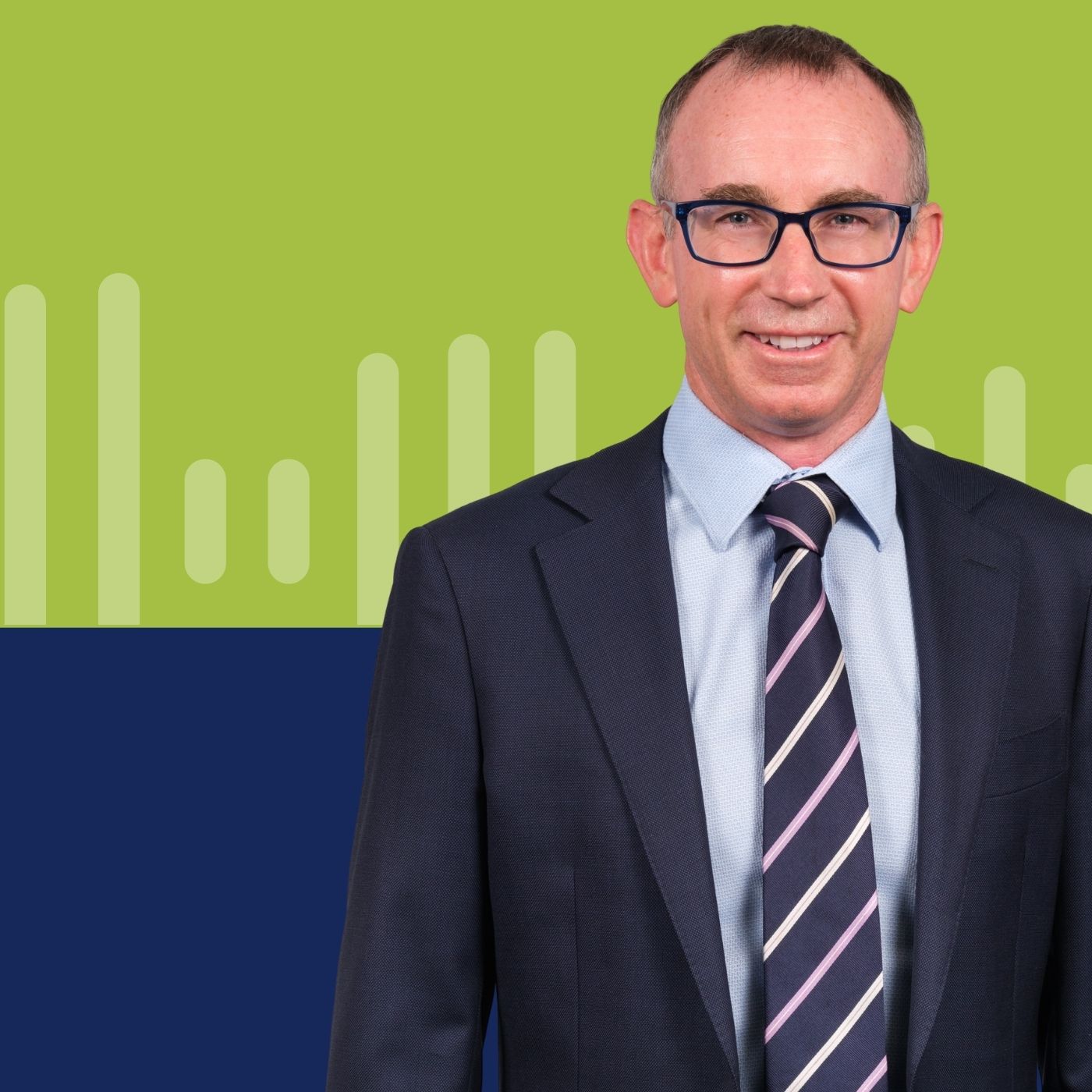
By Paul Williams, Tax & Legal Partner, Roberts + Morrow
When I think about my client Sonia’s story, the first thing that stands out is just how much she has had on her plate.
At different times, she has been balancing a business, farming interests, property development projects, major financial decisions and the day-to-day demands that come with keeping several ventures moving at once.
More recently, she has also navigated the sale of a significant business.
Each of those areas would be complex on its own. When they are all happening at the same time, the challenge is not simply managing the individual issues. It is making sure every decision fits into the broader picture.
Good advice starts with knowing the client
Sonia and I have worked together for a long time.
That relationship means I understand much more than the figures appearing in a set of accounts. I know the history of the businesses, her family’s broader interests and the thinking behind many of the decisions they have made.
That knowledge is invaluable when a major transaction or new opportunity arises.
A client shouldn’t have to explain their entire financial history every time they pick up the phone. Their adviser should already understand where they have come from, what they have built and where they may want to go next.
That doesn’t mean we always have a fixed plan stretching 10 or 20 years into the future. Few people do.
Instead, it means having a clear understanding of the bigger picture so that each new decision can be considered within the right context.
The numbers are only part of the decision
As accountants, we naturally look at tax, cash flow, structures and financial outcomes.
Those things matter enormously, particularly when a business is being sold. A poorly timed or poorly structured transaction can have significant consequences.
But the numbers are only one part of the conversation.
We also need to ask:
- Will they continue operating other businesses?
- Are they moving towards retirement, or simply into a different type of work?
- What assets do they want to retain?
- How much risk are they comfortable carrying?
A technically correct answer is not necessarily the right answer if it doesn’t support the client’s broader goals.
Our job is to understand what the person is trying to achieve and then help develop a financial and business structure that supports it.
From business to land development
One of the interesting parts of working with Sonia has been seeing the range of opportunities she and her family have pursued over the years, including land and property development.
Development brings a very different set of considerations to running an established business. Before a project gets underway, there are questions around feasibility, funding, cash flow, tax and the appropriate structure for the development. There is also the question of how much capital and risk the family is comfortable committing when they have other businesses and assets to consider.
My role is to help Sonia look beyond the potential end result of a development and understand what the numbers look like along the way. That can mean working through different scenarios, considering the tax and structuring implications, looking at cash flow requirements and helping assess how a project fits alongside the family’s other interests.
Development projects can also evolve. Costs change, timeframes move and opportunities arise that weren’t necessarily apparent at the beginning. Having an adviser involved throughout the process means those changes can be considered in the context of the overall plan rather than in isolation.
A business sale should not be planned at the last minute
Selling a business can feel like the end of a chapter, but the preparation should begin well before a buyer arrives.
Ideally, owners should be thinking about the eventual future of the business while they are still building it.
That might mean putting stronger management systems in place, reducing the business’s reliance on one person, maintaining accurate financial information and regularly reviewing its ownership structure.
It also means understanding what makes the business valuable to somebody else.
A business that only functions because the owner is personally involved in every decision can be difficult to transfer. A business with clear systems, capable people and reliable financial information is generally in a much stronger position.
Even when an owner has no immediate intention of selling, these are worthwhile disciplines. They can create a healthier business today while preserving more options for the future.
Start before you feel ready
Business owners are often so busy dealing with today’s responsibilities that long-term planning is pushed aside.
But you don’t need to be approaching retirement to begin these conversations.
You don’t even need to know whether a business will eventually be sold or passed on, whether another development opportunity will arise, or exactly what the next chapter will look like.
You can start by asking some simple questions:
What are we building? Where are we investing our time and capital? How do our different businesses and assets work together? Are our structures still appropriate? What risks are we taking? And ultimately, what are we trying to achieve as a family?
Sonia’s experience demonstrates that building lasting family wealth isn’t about following one perfectly straight path.
By Paul Williams head of Tax & Legal at Roberts + Morrow, Armidale.
CONTACT PAUL TODAY, Download Case Study Here
Paul also discussed business, property development, succession and sale with his client Sonia on the Roberts + Morrow podcast, Leave it to the Accountants.